
Spring Technical Guide to Electric Bikes
11/10/2026
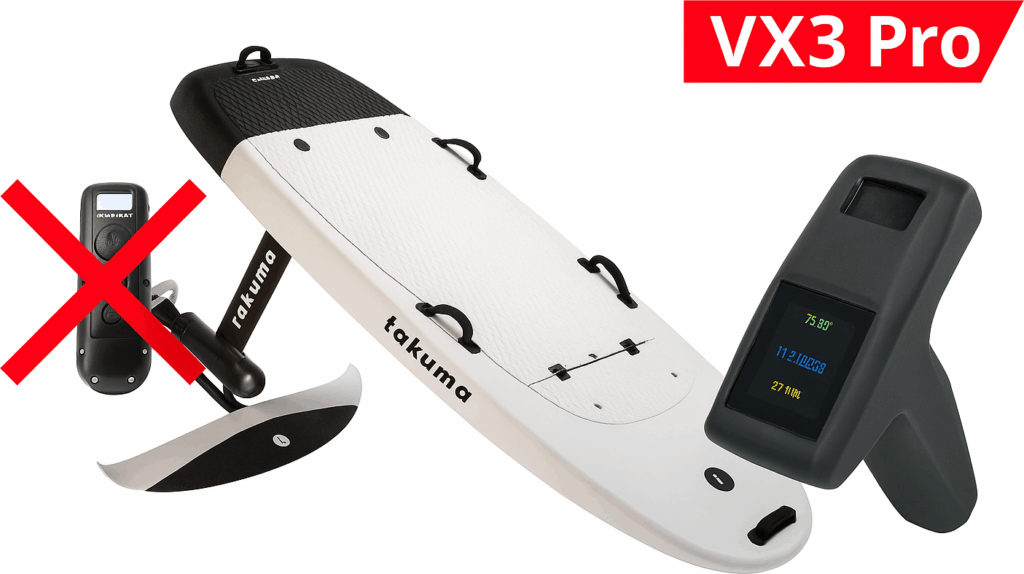
Installing a Flipsky VX3 Pro remote on a Takuma e-foil (with battery display)
12/10/2026
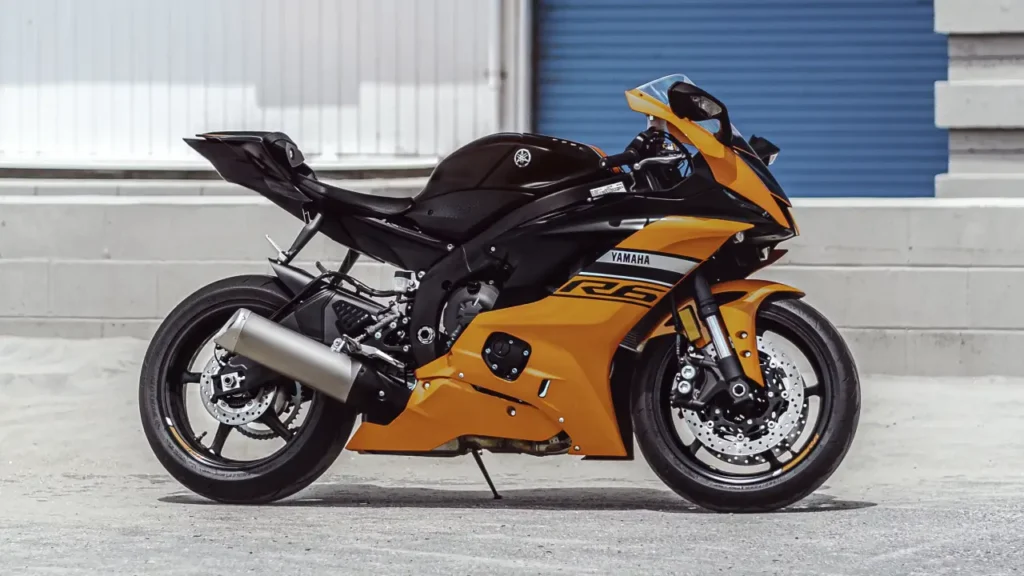
How to properly maintain your Yamaha motorcycle
Yamaha is one of the most popular motorcycle manufacturers in the world, appreciated for the reliability, accessibility and performance of its machines. Whether you ride an MT-07, a Ténéré 700, an R1 or a Tracer, proper maintenance is essential to fully enjoy your bike and ensure its longevity. In this article, we go through all the essential items for properly maintaining a Yamaha motorcycle, focusing on maintenance intervals, visual checks, parts to watch and the precautions to take according to the season.
Follow the Yamaha service schedule
All Yamaha motorcycles come with a service book detailing the servicing to be carried out according to mileage or age. Following these recommendations is crucial to:
- Preserve the manufacturer’s warranty
- Avoid costly breakdowns
- Maintain resale value
- Guarantee safe riding
The intervals vary by model. For example, an MT-09 needs an oil change every 10,000 km, while an R1, more demanding, requires more frequent servicing. The first service, generally around 1,000 km, is just as important as the later ones: it checks that everything works correctly after the break-in period. It will also reveal which parts for your Yamaha will need replacing.
Engine oil and filters
Engine oil plays a key role in the smooth running of the machine. It lubricates, cleans and cools the engine. Yamaha recommends:
- An oil change every 8,000 to 10,000 km, or every 12 months
- Using 100% synthetic oil 10W40 or 10W50 according to the engine’s specifications
- Replacing the oil filter at every oil change
For sporty or intensive use (track, loaded two-up, mountains), shortening these intervals is good practice. The air filter should also be checked regularly and replaced if clogged, especially if you ride in dusty areas or off-road on a Ténéré or a WR.
Checking the spark plugs and ignition system
Spark plugs ensure efficient combustion. Worn or fouled plugs cause engine misfires and increased fuel consumption. For most Yamaha models:
- Replace every 20,000 to 30,000 km
- Check the condition of the plug wires and ignition coils
A four-cylinder engine like the FZ6’s or the R6’s needs each cylinder to work identically to guarantee optimal operation. A healthy set of plugs is therefore fundamental.
Maintaining the secondary transmission
Most Yamahas use a chain to transfer power to the rear wheel. The rare shaft-drive models (like the FJR1300) have different requirements, but let’s focus here on the chain.
Motorcycle chain: cleaning and tension
- Clean the chain every 500 to 800 km
- Lubricate the chain after every wash or ride in the rain
- Check the tension (neither too tight nor too loose)
- Replace the chain kit (sprocket, rear sprocket, chain) every 20,000 to 30,000 km
A poorly maintained chain can jump, wear prematurely or generate noise and jerks. It must always be well aligned and properly greased.
Brakes and safety
Brake checks
- Check the pads every 5,000 to 10,000 km
- Minimum thickness: about 2 mm
- Inspect the discs for wear or warping
- Replace the brake fluid every 2 years
Effective braking is a critical safety element. Even on a 125cc, neglecting the braking system can have serious consequences.
Suspensions and road behaviour
The suspension directly influences comfort and road holding:
- Adjust the preload, compression and rebound to your weight and your riding
- Check the fork seals: a leak on the fork tubes means a service is needed
- Full suspension overhaul every 30,000 to 40,000 km
A suspension that no longer does its job compromises safety and increases tyre wear.
Tyres: grip and safety
- Check pressure every 15 days (when cold)
- Check the condition (wear, cracks, embedded objects)
- Replace once the wear indicator is reached (1.6 mm minimum)
Pressure has a direct impact on handling, grip and tyre wear. Even a small deviation can make a big difference.
On-board electronics
On recent models (Tracer 9 GT, R1, MT-10), Yamaha integrates many electronic assists:
- ABS, traction control, riding modes
- Semi-active electronic suspensions
- Connected TFT dashboards
Diagnostic via an OBD2 tool can detect potential faults. Software updates must be carried out at an authorised dealer.
Electrics and battery
- Voltage check (12.6 to 13.2 V with the engine off)
- Use a smart charger if the bike stays parked
- Replace the battery every 4 to 5 years
In winter, a battery can discharge quickly. Keep it topped up to avoid starting problems.
Cleaning and care
- Use a non-aggressive motorcycle shampoo
- Avoid high-pressure jets near the chain and electrical connectors
- Dry with a microfibre to avoid limescale marks
A clean bike also makes it easier to quickly spot leaks or mechanical anomalies.
Winterising and storage
- Grease the chain and visible bolts
- Connect the battery to a battery maintainer
- Inflate the tyres to the recommended pressure
- Store away from humidity and cold
A properly winterised bike will start back up in spring with no bad surprises.
Conclusion
Maintaining a Yamaha is about preserving a reliable and pleasant machine. By respecting the service intervals, checking the key parts regularly and adapting the care to your riding style, you extend your bike’s life and ride with peace of mind. Yamaha built its machines to last, but it is your consistency and attention that will make all the difference on the road. Never neglect maintenance: your safety, your performance and your riding pleasure depend on it.