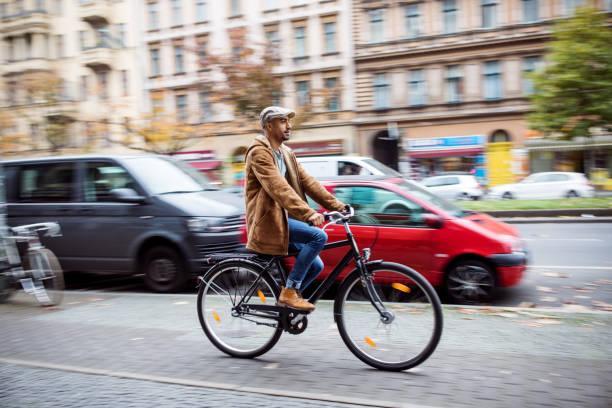
Using an electric bike in the city starts with an actual journey: getting to work, carrying belongings or travelling between appointments. A motor specification cannot tell you whether the bike fits through the storage door or where you will lock it while shopping. These six steps focus on the practical details that make a daily route workable.
Map a route you can use regularly
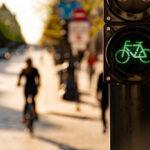
Identify the start, destination and an alternative route. Check junctions, hills, surfaces and places where you may need to dismount. The shortest line on a map is not always the most comfortable choice. Look for a route you would willingly repeat, with traffic conditions and access that suit your riding skills.
If possible, time a trial at your usual travel hour without treating it as a speed test. Count the whole journey, from the departure door to the destination. When combining cycling with public transport, check the operator’s conditions for that bicycle, service and departure time. Permission on one route should not be assumed to cover every service.
Count the stops and the final part of the journey
Urban journeys often involve more than a simple return trip. Shopping, appointments and parcel collection add stops and weight. Write these stages in order and identify somewhere to leave the bicycle at each one. Time saved while riding may be lost if every stop means a long search for usable parking.
During a trial, record four things: door-to-door time, total distance, ease of parking and battery level on your return. Repeat with the belongings you normally carry. These personal observations are more useful than an advertised average speed because they include what happens after you get off the bicycle.
Plan storage for an electric bike in the city
Check storage before favouring a particular bike or conversion kit. Measure narrow passages and try handling the bicycle while stationary. A loaded bike can be awkward to turn in a corridor; a removable battery does not automatically make the whole bicycle easy to carry. Stairs and heavy doors deserve a practical trial.
At the destination, look for an attachment point that allows you to secure the frame and check access to the parking area. Decide where to carry your lock and what to do with panniers on arrival. Shelter is useful, but it does not replace a suitable locking point. The table below turns common difficulties into specific checks.
| Situation | Useful check |
|---|---|
| Daily stairs | Try carrying the bike and passing through doors |
| Shopping after work | Test pannier attachment and stability |
| Several stops | Find a locking point at each destination |
| Charging away from home | Confirm permission and equipment instructions |
Prepare for rain and the things you carry
List what you carry: a laptop, clothing, groceries or sports equipment. Check the mounting arrangements and the limits stated for the rack and bags. Loads must remain stable without interfering with wheels, brakes or steering. Try slow manoeuvres with this realistic load rather than judging an empty bicycle.
For wet days or journeys after dark, check tyres, brakes and lights as well as protection for your belongings. Suitable mudguards and bags can make the trip more manageable. Follow the equipment’s maintenance instructions and check the current equipment requirements in the place where you ride.
Arrange charging around observed range
Motor power alone does not tell you how far you can travel. Plan using the distance your bicycle actually covers on your route, with your load and assistance setting. Keep a margin for a diversion or an additional stop. A result observed on a favourable journey is not a promise of the same range every day.
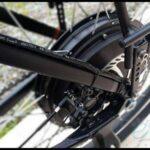
Decide where and when charging can happen: at home, at an authorised location or by removing the battery when the system allows it. Use a compatible charger and follow the manufacturer’s instructions. Before a conversion, read our battery guide: changing voltage or connectors is not a universal answer to insufficient range.
Compare the costs of journeys you actually replace
Build a budget that includes the bicycle or kit, equipment, repairs to the donor bike, maintenance and provision for eventual battery replacement. Separately list only the transport expenses you would genuinely avoid. Keeping a car or a travel pass means some costs remain. Savings cannot be assumed to be the same for every route.
Before deciding, establish three essentials: an acceptable route, usable storage and an arrangement for charging. If one is missing, solve that problem first. An electric bike in the city can then answer a specific transport need, rather than a promise of perfect mobility or automatic financial returns.