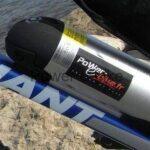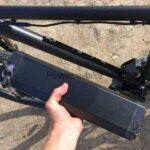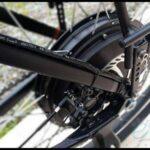
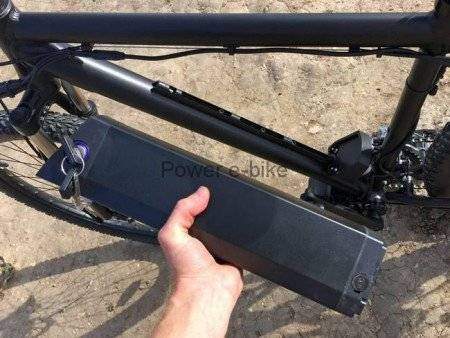
Caring for an electric bike battery in winter starts with the instructions for the system being used. The same temperatures, charging times and schedules do not suit every pack. This approach organises practical checks without promising the same lifespan or range for every battery. Keep the correct manual available rather than copying a routine intended for another system.
Which instructions apply to your electric bike battery?
Identify the battery reference, its technology and the relevant manual. Separate the limits for riding, charging and storage: they describe different situations. Also check the instructions that apply before first use.
Bosch explains that its lithium-ion batteries have no memory effect; its instructions apply to the relevant systems.
Do not turn complete charge and discharge cycles into a compulsory running-in routine for every battery.
Identify the correct charger
Check the stated compatibility of the battery and charger, the connectors and the condition of the cable. A similar-looking plug is not proof of compatibility. Keep the references needed to find the instructions without changing electrical specifications.
The DGCCRF highlights original or compatible chargers and precautions after an impact.
The electric bike kit battery guide provides context for understanding battery specifications.
Prepare for and finish charging
Use the location and conditions specified by the manufacturer. Before connecting, check that the battery and connections are in the condition expected by the manual, particularly after a wet or cold ride. If drying or waiting is required, follow the specified method rather than improvising a heat source.
Follow the connection sequence, indicator meanings and end-of-charge instructions. A fixed charging duration does not replace those checks or establish the correct state of charge.
Manage cold and moisture
Plan rides around the weather and the model’s limits. Select assistance levels and gearing for the journey rather than following a universal instruction to use particular control positions. The controls and their effects differ between systems.
After returning, inspect the outside and follow the cleaning and drying procedure. A protective-looking casing does not establish complete waterproofing. Use the model’s instructions to decide what needs checking before charging again.
Plan for a period without use
Find the recommended charge level, storage conditions and checking interval in the manual. Set a reminder that matches those instructions rather than using a fixed calendar and charging duration for every pack.
Remove the battery only when the model and procedure provide for it. Battery management electronics do not replace the prescribed checks. When returning to use, inspect the battery and charge indication before relying on the previous storage routine.
Recognise faults without opening the pack
An impact, deformation, damaged connections or unusual behaviour requires assessment under the manufacturer’s procedure before resuming use or charging. Distinguish a battery that is simply discharged from a reported fault.
Do not open the pack to attempt balancing or repairs. Record the displayed message and relevant circumstances for a competent assessment. Routine care cannot guarantee freedom from faults or establish the remaining lifespan by itself. Keep observations separate from an assumed diagnosis.