Electric bike safety checks start with a working bicycle, accessible controls and a pace suited to what you can see. No equipment removes accident risk. These six points help prepare a ride and recognise a problem requiring attention. Legal reminders are explicitly about France and are not presented as rules for other countries.
Electric bike safety checks: seeing and being seen
Check the lights before leaving, especially if you might return after dark. A lamp that switches on in the garage can still be badly aimed or hidden once luggage is fitted. Look from the front, rear and sides, then check secure mountings and an adequate power supply for the journey.
Consult the official page for French equipment colours and requirements: white or yellow front light and red rear light; reflectors also matter. Panniers should not obscure them. Clean the relevant surfaces and aim the light to illuminate without dazzling. Reflective items supplement visibility rather than replacing necessary lights.
Check the brakes and mechanical condition
Before a ride, notice an unusually soft control, new rubbing or a lever coming too close to the handlebar. Check tyres, wheel fastenings and loose components too. Use the bicycle and component instructions for pressure, tightening torque and wear limits instead of a universal number.
Both brakes need to work. Become familiar with their response at low speed in a suitable place, particularly after maintenance or a change of load. If one brake is defective, do not rely on the other to complete a normal journey: have the fault corrected. In rain or on slippery surfaces, slow down and allow more room to respond.
Choose controllable assistance and anticipate hazards
Choose an assistance setting that lets you manage starts, turns and narrow passages. Easy acceleration does not mean accelerating between every obstacle. Look ahead for a door opening, a pedestrian who might cross or a turning vehicle, while monitoring the space immediately around you.
At junctions, do not assume another road user has seen you. Reduce speed where the view is obstructed and keep room to stop. A gesture or eye contact is not a guarantee. If you cannot negotiate a situation in control, stop and choose another way through rather than forcing the manoeuvre.
Helmet, bell and accessories: understand their limits
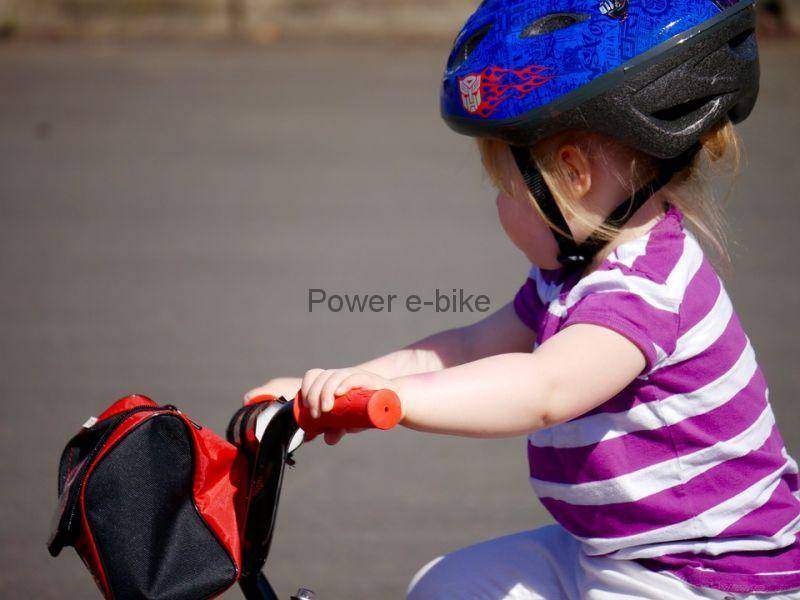
Choose a helmet that fits, adjust it and fasten it according to its instructions. Check its condition and replacement guidance after an impact. Wearing one does not replace anticipation or consideration for others. Check that your usual clothing still allows access to the controls.
A bell announces your presence; it does not give you priority. Use it early enough and allow people time to react. A mirror supplements observation without replacing checks around you. A lateral clearance marker cannot force a driver to leave enough space. Make sure it is securely mounted and does not interfere with the bicycle.
Secure luggage and keep up with maintenance
Respect the stated load limits of the bicycle, rack and accessories. Secure belongings so no strap reaches a wheel, brake or drivetrain. Check the load does not hide lights or restrict arm movement. Assess the bicycle with the luggage you actually intend to carry.
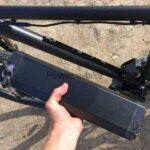
Before leaving, check battery retention and visible cable damage. Follow the compatible battery and charger instructions for charging and storage. Damage, an unreliable mounting or unusual behaviour needs attention before further use. Record maintenance so an unresolved fault does not return on every ride.
Separate French requirements from practical advice
France: children under 12, riding or travelling as passengers, must wear a fastened helmet. Outside built-up areas, riders and passengers need a high-visibility vest at night or in poor visibility. The official references below explain equipment requirements.
The page language does not identify the country where you ride: check local rules elsewhere. This advice also does not certify the category or road legality of a converted or modified bicycle; verify that separately against its documentation. If essential equipment is missing or defective, postpone the ride rather than treating this checklist as permission to proceed.
Official sources and useful guides
- France: mandatory equipment (French)
- French rules: helmets and visibility vests
- ONISR: cyclist visibility (French)
- E-bike kit batteries: understand the main parameters
- Conversion kits: choice, installation and compatibility