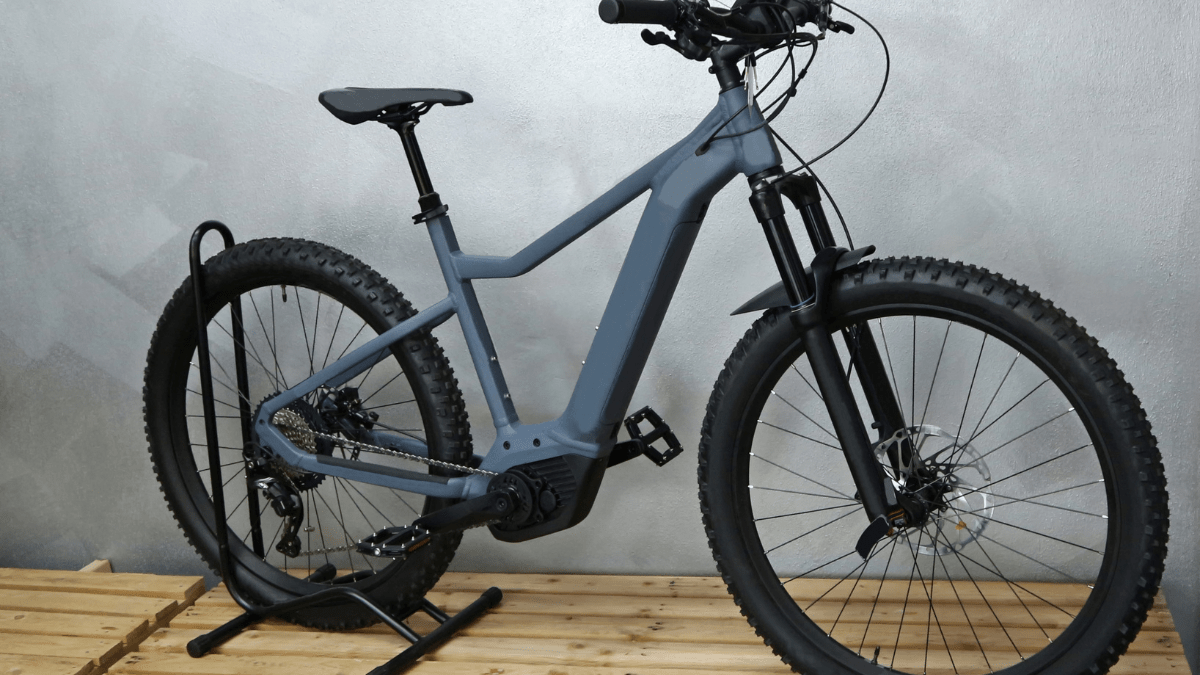
An electric mountain bike (e-MTB) is an excellent way to combine sport, leisure and eco-friendly mobility. To choose the model that suits you best, it is essential to know the different elements influencing the power of these high-tech bikes.
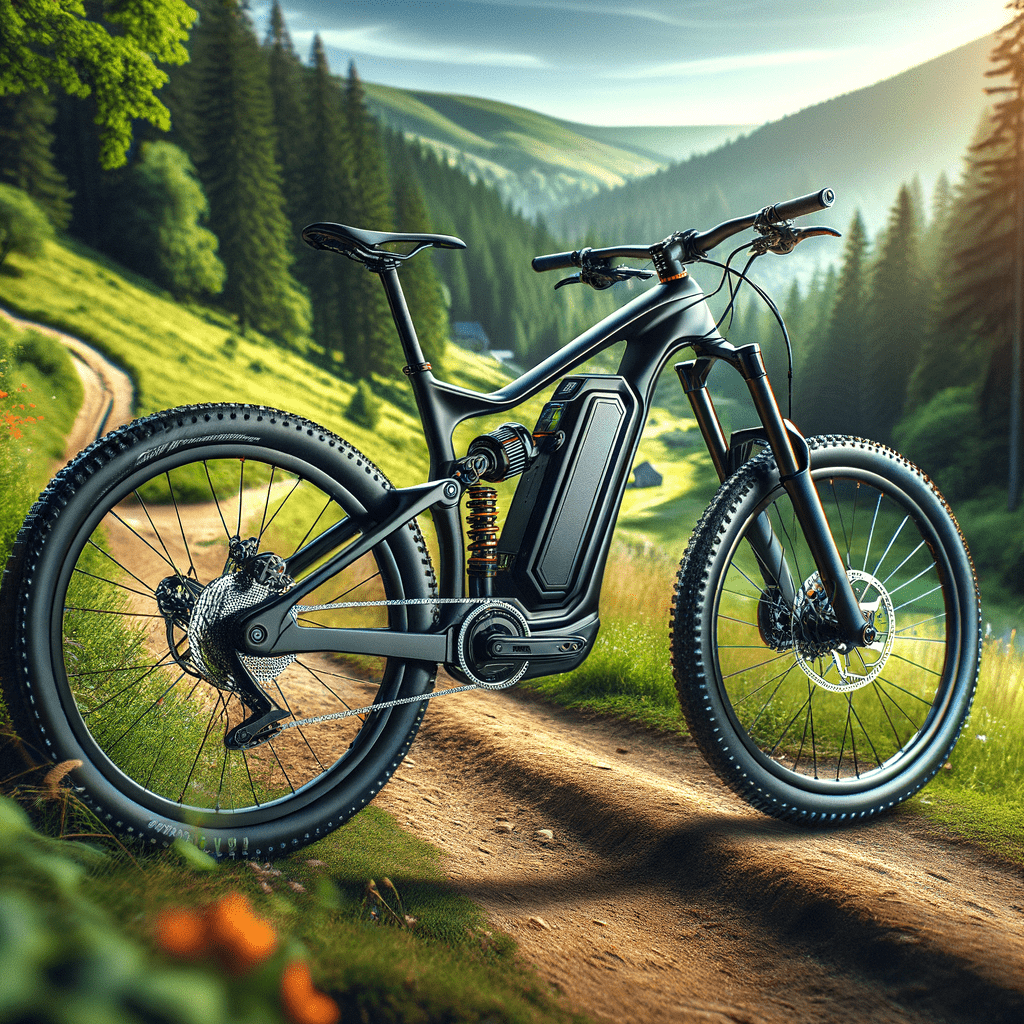
In this article, we will cover the aspects related to the motor, European standards and current legislation on e-bikes.
Power and motor of an e-MTB: what you need to know
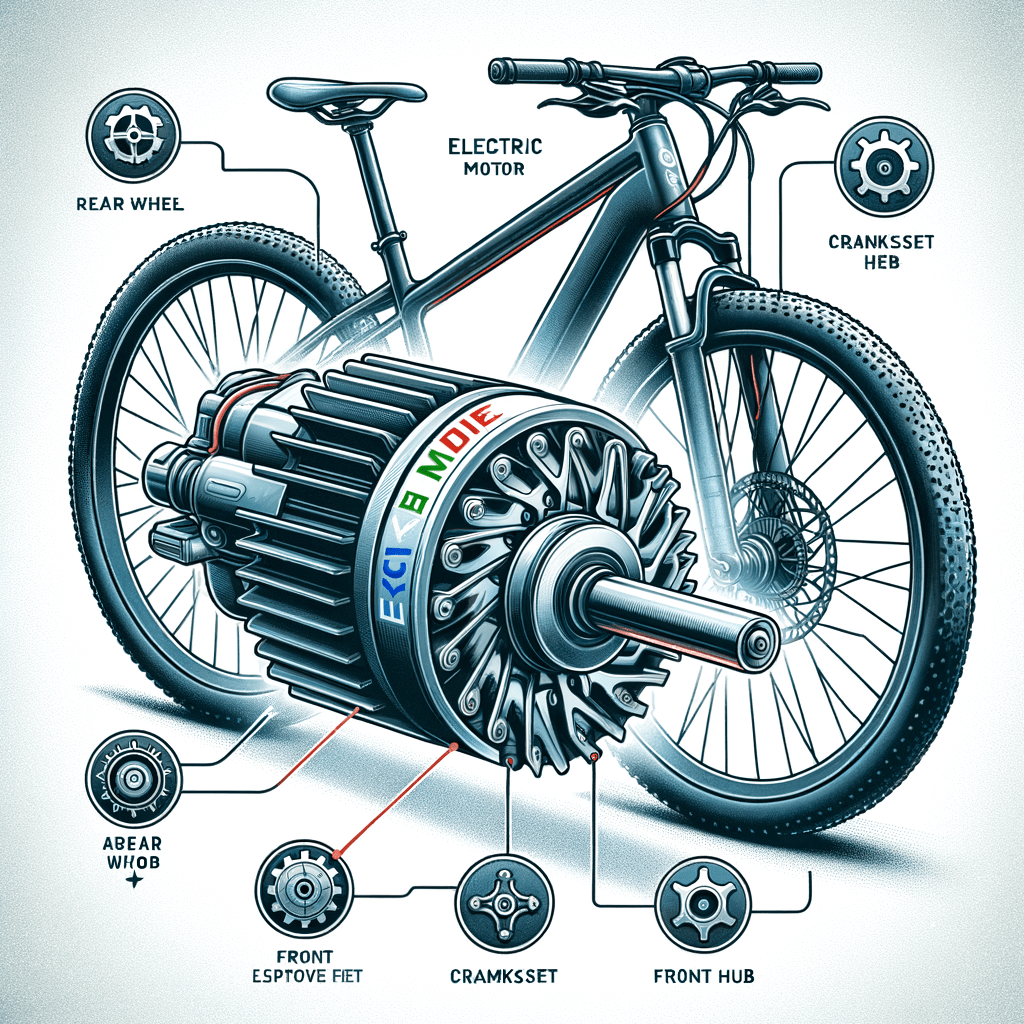
An electric mountain bike can have a mid-drive motor or a hub motor. When comparing motors, distinguish between continuous rated mechanical power, maximum or peak power, and the electrical power drawn from the battery. These values are not interchangeable. Torque, expressed in Nm, and gear ratios also matter. A motor specification sheet that distinguishes rated power from maximum power illustrates the importance of reading the stated specifications carefully.
How to read stated power ratings
- 250 watts: check whether this value refers to continuous rated power. It does not mean that the bike is only suitable for short distances or flat terrain. Motor type, torque, gearing and load also influence climbing behaviour; the figure alone does not prove that the bike complies with the applicable requirements.
- 500 to 750 watts: a stated figure may refer to peak power or continuous rated power, which do not mean the same thing. Compare values measured using the same definition. These figures guarantee neither more torque nor any particular suitability for the terrain, and are not sufficient to determine the bike’s regulatory category.
- 1000 watts and above: this figure does not automatically indicate a high-end model or the best choice for a Fat Bike. Check what the stated value refers to, the compatibility of the frame, brakes, battery and controller, as well as the vehicle category and the permitted conditions of use.
The stated power does not allow you to deduce the bike’s weight. Compare the weight of the complete bike, including the battery, and its distribution: the position of the motor and battery can affect handling, independently of the wattage alone.
Pedal-assist cycles: European framework and national rules
The framework presented here is that of the pedal-assist cycles referred to in Article 2(2)(h) of Regulation (EU) No 168/2013. It must be distinguished from other categories of motorised vehicles. These criteria do not cover all product safety requirements or national traffic rules.
Continuous rated power and peak power
Within this framework, the auxiliary motor has a continuous rated power of no more than 250 W. This criterion does not refer to an advertised peak power figure. A higher instantaneous maximum value is therefore not sufficient on its own to classify a bike: the manufacturer’s documentation and all applicable criteria must be examined.
A vehicle that does not meet these criteria may fall into another category, with its own approval or type-approval requirements. Registration, driving licence and insurance requirements, and the routes it may use, depend on its category and the country. Buying a more powerful motor or registering a vehicle does not, on its own, prove that a conversion complies with the applicable requirements.
When pedal assistance must cut out
Under the European framework cited, motor assistance must stop when the rider stops pedalling. It must also decrease progressively and then cut out before the bike’s speed reaches 25 km/h. This is an assistance limit, which must be distinguished from the speed the bike can reach without this assistance.
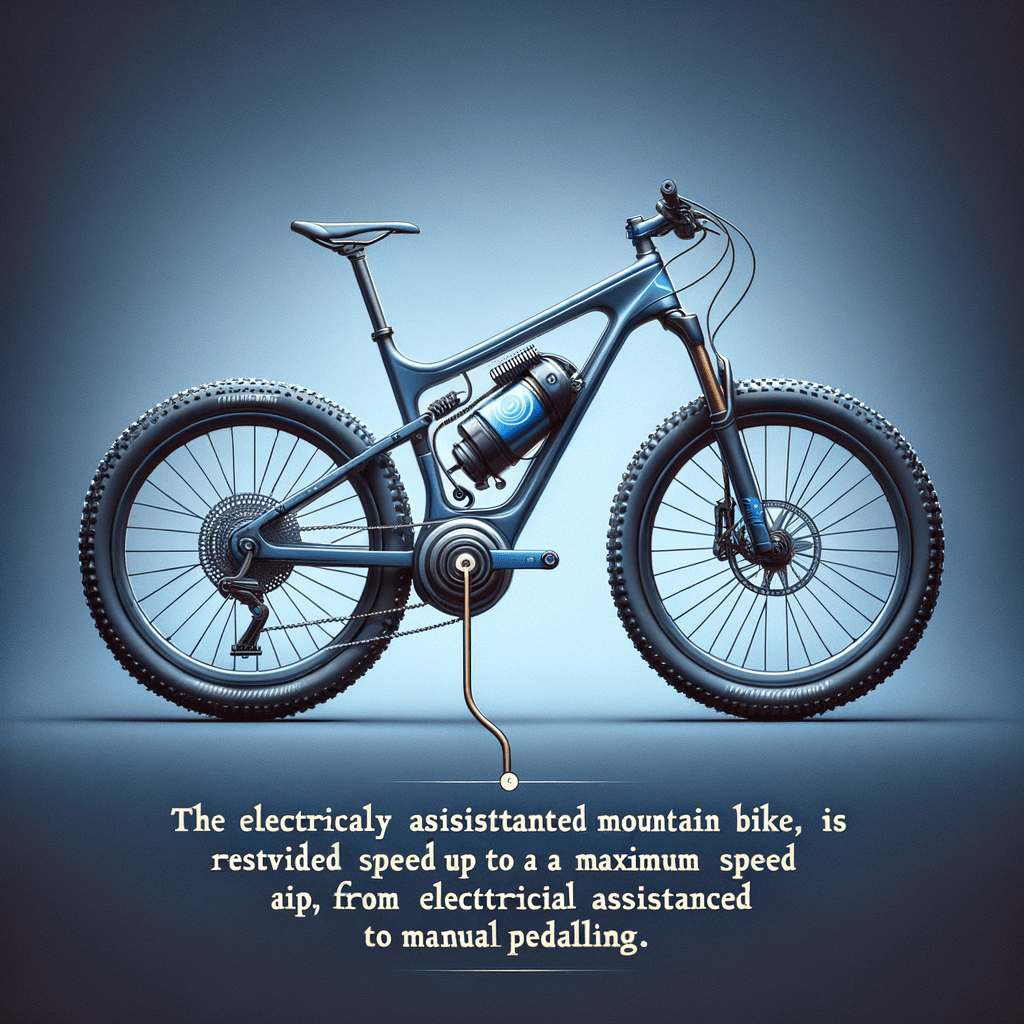
Some vehicles, including speed pedelecs advertised with assistance up to 45 km/h, fall under a different framework. This is not a setting to activate on an ordinary pedal-assist bike. Check the road-use requirements and conformity documents specific to the vehicle; observe the speed limits applicable to the route.
National regulations
Rules on access to routes, registration and insurance vary by country and vehicle category. For France, consult the Service Public information pages on registration and insurance. For another country, check local official sources. A conversion kit or a label stating 250 W does not, on its own, prove that the converted bike complies with the applicable requirements.
Finding the ideal power for your e-MTB
Choosing a motor therefore requires comparing the complete bike, your intended use and the permitted conditions of use, rather than systematically looking for the highest wattage.
Here are a few tips to help you:
- Assess your riding needs: compare elevation gain, ride duration, the load carried and your usual cadence. Look at the stated torque, gearing and motor type; the wattage alone cannot predict climbing performance.
- Compare range under equivalent conditions: check battery capacity in Wh and the manufacturer’s assumptions. Assistance level, terrain, load, wind and tyres affect consumption; a stated power figure alone does not guarantee a riding distance.
- Check the actual bike weight: compare the weight of the equipped bicycle, including its battery, and how that weight is distributed. Do not infer weight or handling from the motor’s stated power alone.
- Check compliance and your route: distinguish continuous rated power from peak power in the manufacturer’s documentation. Check the vehicle category and the rules applying in your country and on your intended routes before choosing a motor system.
These criteria help you compare motors without promising power or range that is ideal for everyone. Before use, check component compatibility and the conformity documents for the complete bike, taking your route and local rules into account.

Before converting your mountain bike, check the frame, brakes and compatibility of the planned installation. The technical conversion and compatibility guide explains what to check on the complete bike.