A useful electric bike maintenance programme does not wait for the same mileage before attending to every part. It separates accessible cleaning, component monitoring and jobs requiring a particular skill or tool. This guide explains how to organise the work, retain the correct references and recognise tasks that need a qualified workshop.
Build a file for your particular bicycle
Collect the manuals for the frame, brakes, drivetrain, motor, battery and charger. Record their exact model references: similar-looking bicycles may use different components. For a conversion, include the parts actually fitted and the documents supplied with them. Appearance alone does not establish that the parts are compatible.
Keep a log with the date, mileage where available, work performed, product used and part replaced. Store photographs of markings and receipts alongside it. This helps identify a brake pad or chain without speculative dismantling and makes it easier to explain how a noise or operating behaviour has changed.
Clean without damaging components
Support the bicycle securely and follow its manual’s shutdown procedure before starting work. Keep clean cloths, drivetrain brushes and brake-cleaning materials separate. Prepare a small quantity of a product suitable for the surface involved. A chain product is not automatically appropriate for a display, seal or painted finish.
Use a soft cloth or sponge for external cleaning, without steam or a pressure washer. Keep directed water away from electronics. Work in sections, remove dirt without moving sensors and allow drying before the specified return-to-use procedure. Cleaning should not become an unplanned opening of component housings.
Track drivetrain care and wearing parts
For a chain, use its manufacturer’s cleaning and lubrication method; maintenance frequency depends on operating conditions. Record the chain reference, lubricant and wear-check method separately. A belt drive or geared hub needs its own instructions. Do not transfer a chain-care procedure automatically to a different type of drivetrain.
Schedule a record of tyre, brake and drivetrain wear using the replacement limits in their manuals. Keep oil and grease away from braking surfaces. A noise alone does not identify which part needs replacement. An out-of-true wheel, questionable spoke tension or irregular braking calls for an appropriate assessment rather than identical adjustments to every spoke.
Care for the battery without opening it
Keep the battery enclosure closed. Apparent damage requires competent advice before charging, and the charger must be compatible. Limit cleaning to the exterior as its manual directs. Do not apply grease, solvent or contact treatments solely because a recommendation applies to another brand.
For a prolonged period out of use, record your model’s storage requirements: location, temperature and specified charge level. Note the storage date and the next check required by its documentation. This guide does not impose a universal percentage or invent a schedule for every battery chemistry and system.
Adapt your electric bike maintenance programme
The table below is an organisational aid rather than a fixed servicing interval. Add manufacturer deadlines and actual riding conditions, including rain, dust, salt, loaded journeys or time unused. Observations help anticipate work and provide specific information; they do not guarantee how long a component will last.
After an intervention, record what was actually done and what still needs checking. Update the file with the reference of any replacement part. Return the component to use through its specified procedure. A clean appearance does not demonstrate correct operation of a brake, wheel or electrical connection.
| Item | What to record |
|---|---|
| Cleaning | Date, riding conditions and product used |
| Drivetrain | Reference, wear check and work performed |
| Brakes and tyres | Measurement or wear marker specified in the manual |
| Stored battery | Model-specific instructions and next check |
Recognise when to stop and use a workshop
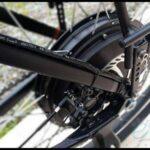
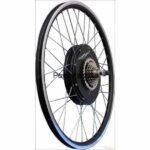
Do not adjust a brake sensor by assuming that two magnets must touch: positioning depends on the system. On a hub-motor bicycle, do not disconnect a harness simply to follow generic tyre-changing advice. Identify the model’s procedure first and use a competent workshop if you cannot manage the fastening and wiring correctly.
Use a suitable workshop when the job requires a wear measurement, spoke-tension assessment, electrical diagnosis or tools you do not have. Bring the log and describe when the fault occurs. The historical component pages below are documentation, not a current repair service or confirmation that a part suits your bicycle.
Useful guides and references
- E-bike kit batteries: understand the main parameters
- Conversion kits: choice, installation and compatibility
- Archive: pedal-sensor description (in French)
- Archive: RH205 motor description (in French)
- Bosch eBike: external care guidance
- Bosch eBike: battery safety guidance
- Shimano: derailleur user manual (English PDF)
- Shimano: brake user manual (English PDF)